
Killeen Storm Damage
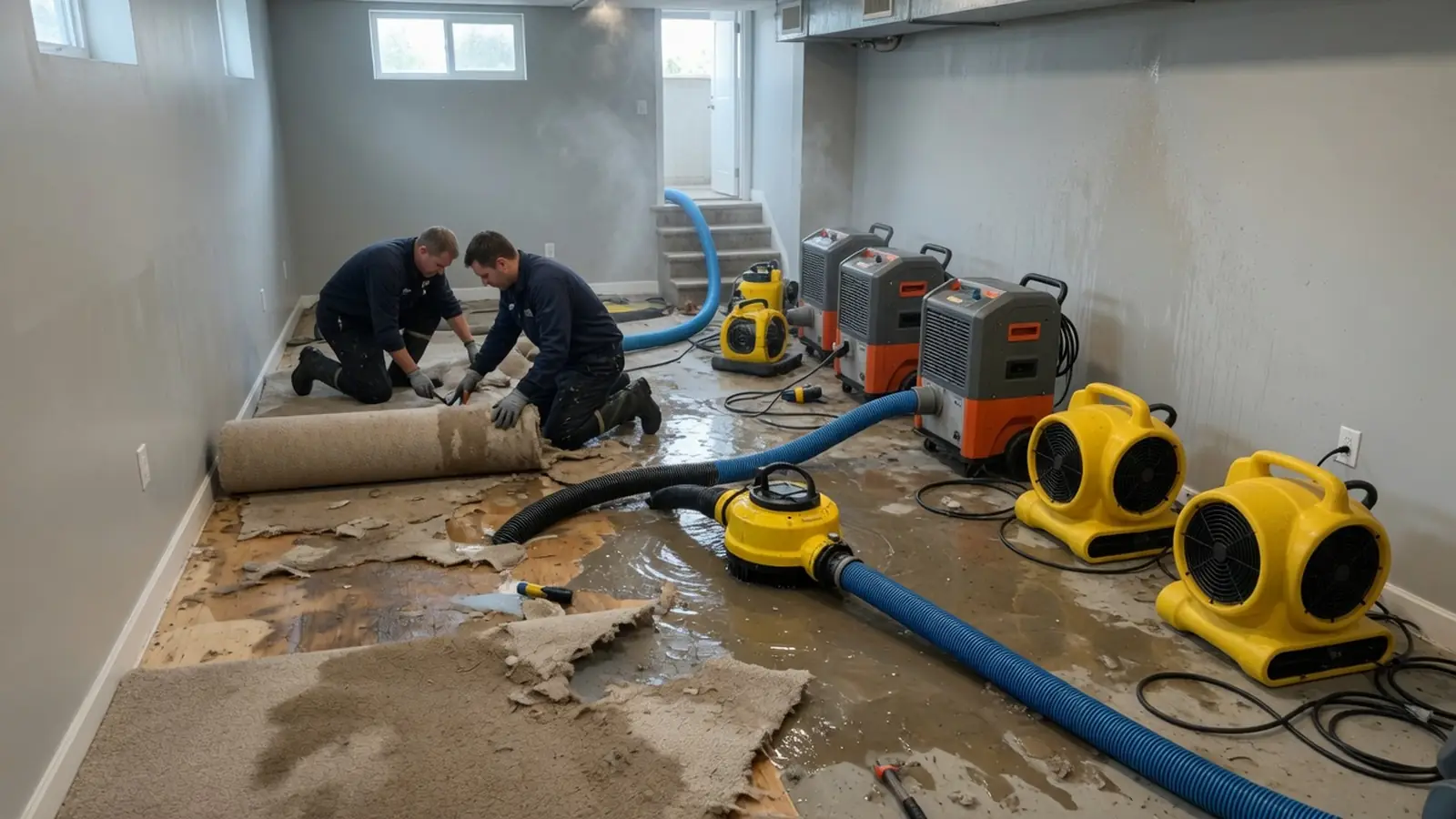
When violent thunderstorms damage your roof or cause indoor flooding, our emergency restoration crew responds immediately to stabilize your property. We extract standing water, install protective tarps, and deploy industrial dehumidifiers to dry structural framing before permanent rot sets in.
Central Texas Weather Damage Specialists
Our restoration technicians bring specialized structural drying and recovery experience to neighborhoods across the region.
Our local municipality has 63,801 housing units on record in the Census ACS 5-year estimates, featuring a mix of established ranch properties and new residential developments.
Homeowners often describe how upstream drainage obstructions and redirected storm runoff cause persistent standing water that threatens residential foundations and lower-level building envelopes.
When heavy weather breaches your roof or foundation, you can schedule comprehensive emergency water restoration for your home to protect interior framing from moisture decay.
Our crews use calibrated thermal imaging cameras and moisture meters to pinpoint trapped water behind baseboards and walls.
We coordinate directly with your insurance carrier to provide complete drying logs that streamline your storm recovery claim.
Structured Storm Recovery Protocol
We follow a disciplined structural mitigation protocol to secure properties immediately after weather emergencies. Hail activity around our area is uneven year to year: 2024 logged 807 radar signatures while 2021 logged only 264, a 3.1x spread. Furthermore, comparing the two halves of 2021-2025 around our service region, radar hail signatures went from 823 to 1,546, a rise of 88%, which makes immediate roof inspection vital. When flash flooding overwhelms entry thresholds, rely on our dedicated residential flood cleanup services to extract standing water before secondary ruin begins.
- Emergency Tarping And Inspection. As property owners frequently report on regional forums, active water dripping through ceiling joints during ongoing rainfall creates urgency regarding immediate emergency tarping and structural dehumidification to prevent wood rot. Our rapid response team deploys heavy-duty roof tarps and conducts a comprehensive thermal assessment to map water migration.
- Attic And Ceiling Stabilization. A pattern echoed in public discussions is how severe storms leave saturated attic insulation and concealed roof penetrations that rapidly generate mold under high ambient heat if not identified immediately. We remove wet insulation, open compromised ceiling cavities, and treat exposed framing with antimicrobial wash.
- High-Volume Water Extraction. In ground-level living spaces, flooded basements cause rapid irreversible warping of drywall and breakdown of wet insulation if water is not extracted immediately. Technicians deploy commercial submersible pumps and truck-mounted vacuum extractors to pull standing moisture out of floor assemblies.
- Structural Dehumidification And Monitoring. Industrial low-grain refrigerant dehumidifiers and high-velocity air movers run continuously to pull deep-seated moisture from studs and subfloors. We log daily moisture readings to verify the structure achieves balanced dry standards before clearing the property.
Verified Structural Dry Standards
Severe thunderstorm clusters in Central Texas frequently cause local grid outages, requiring restoration crews to deploy mobile generators to maintain uninterrupted drying. Our certified technicians adhere to strict IICRC S500 restoration guidelines, deploying industrial air filtration and thermal diagnostics on every call. If unaddressed roof leaks allow hidden spores to colonize wall cavities, count on our team for professional structural mold remediation to ensure your living environment remains completely safe and sanitized. We stand behind our workmanship standards with continuous moisture verification from first dispatch to final sign-off.
Emergency Roof Tarping
When high winds tear away shingles or puncture decking, our crews quickly install reinforced waterproof tarps over damaged spans. This essential exterior barrier halts rainwater infiltration and shields structural rafters from progressive saturation.
Floodwater Extraction
Torrential downpours can rapidly overcome exterior drainage and inundate living areas. We deploy industrial submersible pumps and weighted extraction tools to remove standing floodwater from tile, hardwood, and subflooring.
Structural Drying And Decontamination
Trapped water inside wall cavities compromises framing studs and invites microbial colonies. We place high-velocity air movers and low-grain refrigerant dehumidifiers alongside botanical antimicrobials to restore safe humidity levels.
Our Commitment To Rapid Storm Recovery
Every weather crisis requires rapid mobilization and uncompromising restoration standards to protect residential properties from permanent moisture degradation. Our certified technicians arrive equipped with commercial extraction units, mobile generators, and precision diagnostic tools to stabilize framing quickly. We track daily drying progress until all structural materials reach verified equilibrium moisture content.
- 12Zip Codes Served
- 6Service Areas
- 3Services Offered
Local property owners rely on our emergency drying and structural stabilization services whenever severe weather strikes. Read verified feedback from residents who experienced our rapid storm damage response.
“When hail tore through our roof shingles and water soaked the master bedroom ceiling, the technicians showed me why replacing the blown-in insulation with closed-cell spray foam would resist moisture better in future storms. Their practical advice saved us thousands in long-term repairs and gave us genuine peace of mind. The whole drying process wrapped up quickly without unexpected complications.”
Julian V.
“Another local contractor offered a rock-bottom price but planned to paint over our wet baseboards instead of pulling them out. The crew from this company explained that trapped moisture behind the drywall would cause severe rot, so they set up containment and dried the framing studs properly. Choosing their thorough remediation approach kept our home completely free of mold.”
Brenda M.
“Our severe roof penetrations after a heavy squall required emergency structural stabilization and local building clearance. The team handled the city inspection requirements and documented every moisture reading for our insurance company so our claim went through smoothly on the very first try. They took care of every bureaucratic detail without missing a single requirement.”
Carson W.
“Water started dripping rapidly through our ceiling joints on a Sunday evening during torrential rainfall. I called their emergency line in a panic, and a supervisor dispatched a technician with commercial tarps within thirty minutes to stop the downpour. Their rapid weekend response prevented major structural wood rot across our upper level.”
Lorena P.
Frequently Asked Questions
How quickly should storm damage water extraction begin?
Water extraction should begin within twenty-four to forty-eight hours to stop structural decay and prevent hazardous indoor mold proliferation. Prompt removal of standing rainwater protects wall studs, subfloors, and finished surfaces from irreversible moisture swelling.
Can restoration equipment run during local electrical grid outages?
Restoration crews deploy commercial mobile generators to keep industrial extractors and desiccant dehumidifiers running during local outages. Maintaining continuous airflow and moisture extraction prevents humidity spikes from ruining structural framing while utility power is restored.
How long does complete structural drying take after a severe storm?
Structural drying typically requires three to five days depending on material saturation, ambient humidity, and the extent of water intrusion. Technicians monitor progress using thermal imaging cameras and penetrating moisture probes until framing readings reach verified dry baselines.
Does homeowner insurance cover storm damage water restoration?
Most standard policies cover sudden storm damage, including wind-driven rain, roof punctures, and emergency structural water extraction costs. Our team provides detailed moisture mapping, thermal imagery, and itemized dry-out documentation directly to your insurance adjuster.
Why is emergency roof tarping essential during active rainfall?
Emergency tarping prevents active rainfall from penetrating roof decking and saturating attic insulation or ceiling drywall assemblies. Securing durable exterior barriers stops progressive water migration and avoids expensive framing replacement throughout the residence.